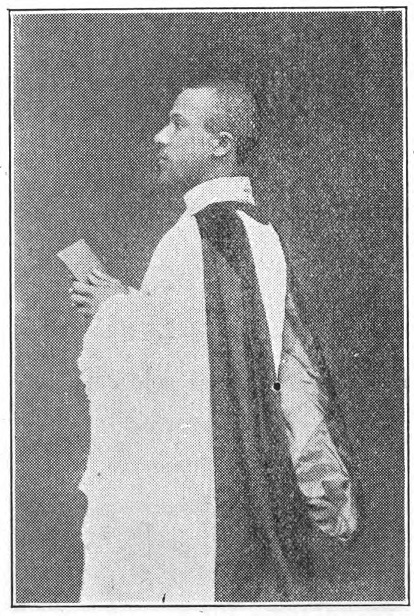
Their Story
George Freeman Bragg entered the world in chains. Born into slavery in 1863 Warrenton, North Carolina, he carried the weight of a nation's sin from his first breath. His father was a carpenter, his mother a seamstress—both searching for dignity in a system designed to deny it. As the Civil War ended, his family fled to Petersburg, Virginia, carrying hope like a prayer.
But hope alone wasn't enough. The Episcopal Church that claimed to be his spiritual home was deeply fractured by racial hatred. Doors that should have opened remained locked. Doors that opened led to segregated pews, conditional grace, and the bitter knowledge that his faith community didn't fully believe in his humanity. For years, Bragg wrestled with this betrayal—the pain of loving an institution that didn't fully love him back. This wasn't mystical struggle; it was the raw, grinding ache of a man caught between his calling and his country's cruelty.
Yet something shifted in Bragg's soul. Rather than abandon the Church or wage war against it, he chose something harder: he chose to transform it from within. Ordained as a priest, he became a journalist, historian, and activist—documenting Black Episcopal history, advocating for racial harmony, and standing as living proof that the Church's highest ideals were worth fighting for. He didn't erase the pain. Instead, he alchemized it into sacred work. His life became a quiet insurrection against despair itself, proving that transformation begins not with forgetting injustice, but with refusing to let it have the final word.
Why People Pray to George Freeman Bragg
People turn to George Freeman Bragg when they face impossible contradictions—when they love institutions that have wounded them, when they're called to build bridges across chasms of injustice, when rage would be justified but peace is required. He intercedes for those working quietly within broken systems, for activists who refuse bitterness, and for anyone searching for the courage to transform rather than destroy. In our fractured age, his witness reminds us that redemption is possible.
Lasting Impact
George Freeman Bragg's seventy-seven years rewrote what Episcopal priesthood meant for Black Americans. As a journalist and historian, he preserved stories that nearly disappeared. As a priest, he demonstrated that prophetic witness thrives not in isolation but in faithful presence. His life insisted that the Church could change—and that change begins with those brave enough to stay and demand better.