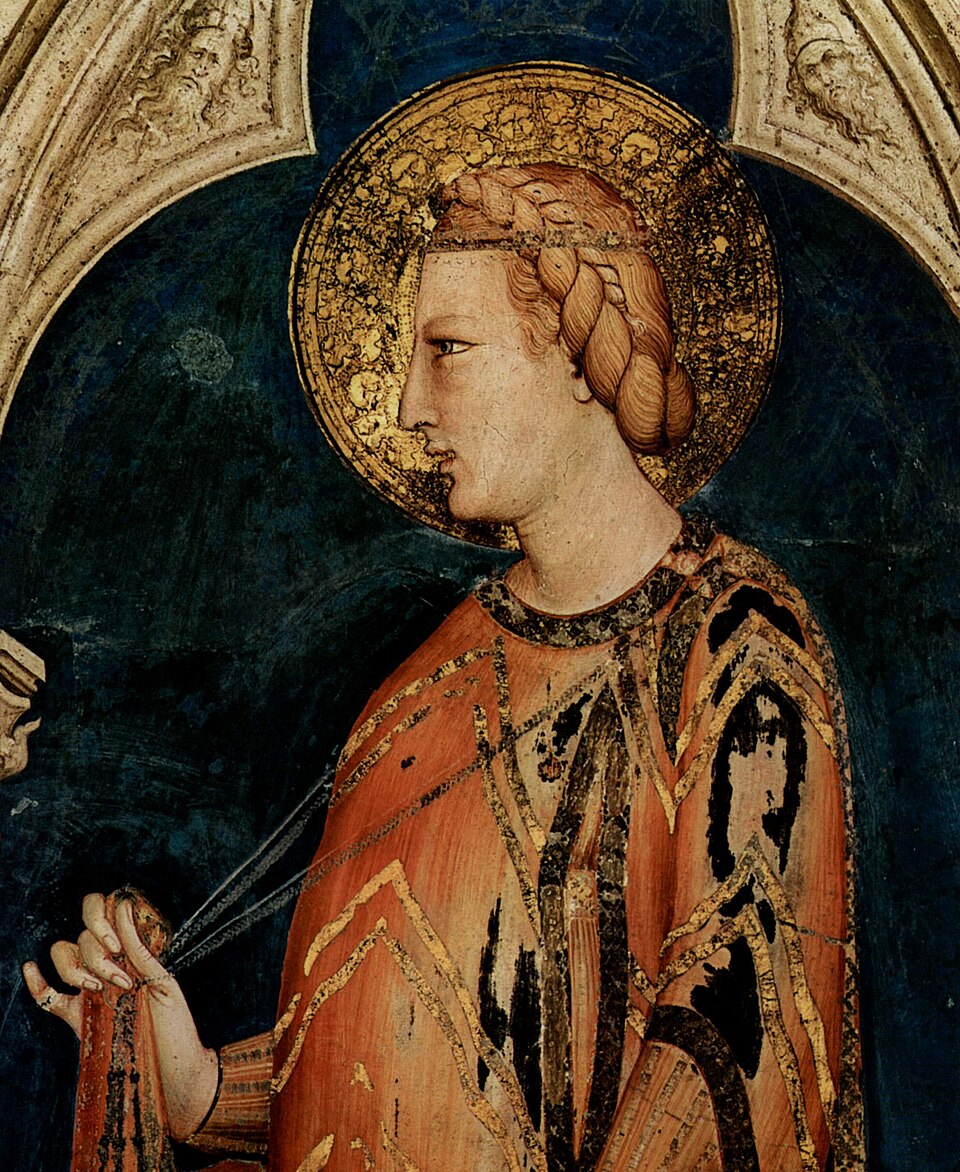
Their Story
Elizabeth of Hungary was born into everything: royal blood, political power, a privileged Hungarian court. Yet comfort never settled into her bones. As a young noble bride in Thuringia, she felt a gnawing emptiness despite her station—the kind of spiritual hunger that palaces cannot fill. Her husband, a landgrave, tolerated her increasingly radical charity until his death when she was just 20. Without his protection, she faced a choice: retreat into widowed wealth or step fully into her calling.
She chose the streets. Against fierce family opposition, Elizabeth abandoned her title and moved into a modest house near Marburg. For the final four years of her life, she served the sick, the leprous, the dying—people her former peers refused to touch. She nursed plague victims with her own hands. She built hospitals. She gave away every possession until she owned nothing but her faith. Her confessor Conrad drove her relentlessly, demanding even more sacrifice. She fasted. She wore rough cloth. She worked until her body broke.
By 24, Elizabeth was dying—worn out by illness and asceticism. Yet she died radiant, canonized just four years later by Pope Gregory IX. Her transformation wasn't gradual or comfortable. It was a complete inversion of everything her birth promised. From throne to sickbed. From crowds bowing to her, to her kneeling before the suffering. In that reversal lay her revolution: the proof that holiness isn't found in keeping what we have, but in emptying ourselves entirely.
Why People Pray to Elizabeth of Hungary
People turn to Elizabeth in times of profound upheaval—when they feel called to something deeper than their comfortable lives allow. Nurses and caregivers invoke her strength during exhausting shifts with the vulnerable. Those falsely accused or misunderstood find solace in her story of standing alone against criticism. She speaks to anyone wrestling with the gap between their privilege and the world's pain, asking: What am I willing to give up for love?
Patron Saint Of
Lasting Impact
Elizabeth transformed medieval charity from obligation into radical love. Her hospitals became models across Europe. Canonized within four years—unusually swift—she became the patron of the marginalized, the sick, the homeless. Today, her witness endures: that true nobility transcends birth, and that touching the wounds of the suffering is touching Christ himself.