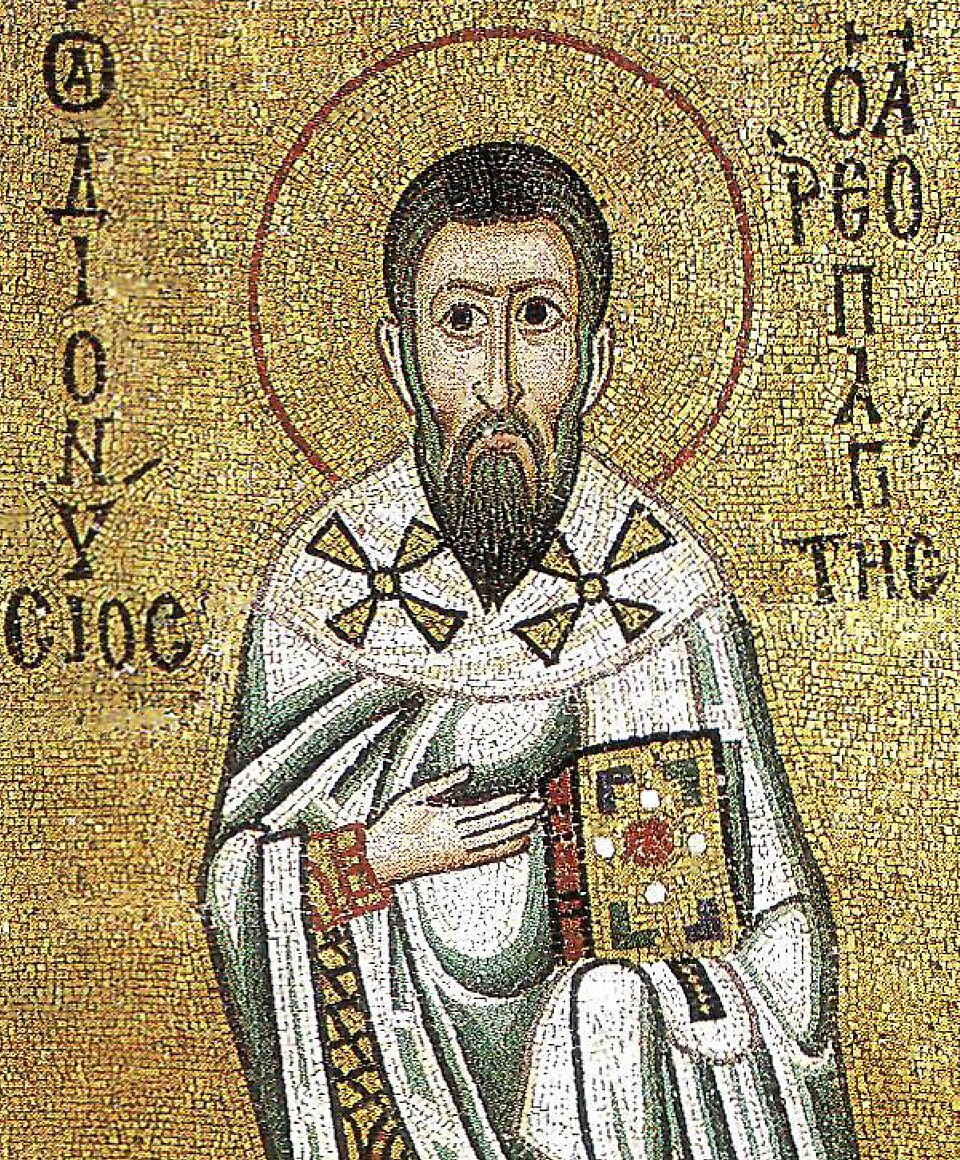
Their Story
Dionysius lived as a man of power and prestige in 1st-century Athens. As a judge at the Areopagus—the highest court in the city—he commanded respect through intellect, law, and philosophy. Yet something gnawed at him. The gods of marble and myth no longer satisfied a mind hungry for truth. He watched his city's wisdom crumble against questions it couldn't answer: What is the divine? How should we live? Why do we suffer?
Then Paul arrived at Mars Hill, preaching a crucified carpenter as God's son. To Dionysius, this was madness. A judge trained in logic heard only scandal and irrationality. But something in Paul's words pierced through his skepticism. In that moment of collision between Greek reason and Christian revelation, Dionysius encountered not argument but presence—the living God breaking through his certainties.
He didn't simply convert; he surrendered. The respected judge became a humble believer. Later, he would abandon his position entirely to serve as Bishop of Athens, eventually suffering martyrdom for his faith. What transformed him wasn't intellectual victory but a deeper knowledge: that truth lives in relationship with the divine, not merely in human understanding. His life became a testimony that conversion often begins when our greatest strengths—our pride, our certainty, our intellect—finally crack open enough to let light in.
Why People Pray to Dionysius the Areopagite
In our age of information overload and hardened certainties, people turn to Dionysius when struggling with doubt, pride, or the tension between reason and faith. He's patron to those afraid their intellect disqualifies them from spiritual experience, and to those whose certainties have begun to crumble. In a polarized world, he reminds us that transformation often requires admitting we don't have all the answers. His feast day (October 3rd) calls believers back to humility and openness.
Patron Saint Of
Lasting Impact
Dionysius became the spiritual father of Christian theology, bridging Eastern and Western thought for centuries. His mystical writings profoundly shaped medieval spirituality and contemplative practice. More than doctrine, he left us permission: to be intellectual AND faithful, to question AND believe, to let our greatest certainties be shattered by encounter with the divine. He remains Christianity's saint of honest seekers.