Their Story
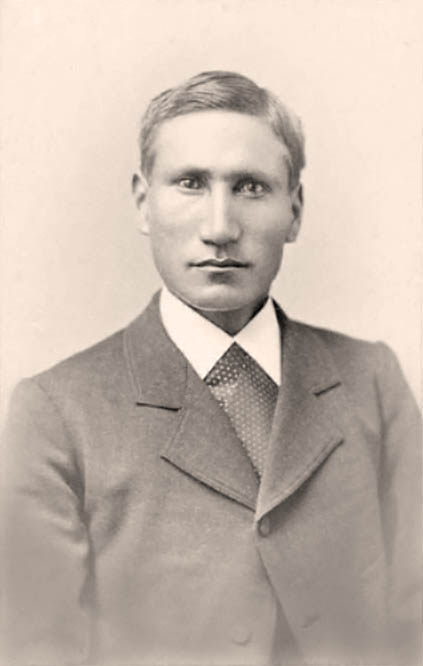
Born in the 1840s as Noksowist ('Bear Going Straight'), David Pendleton Oakerhater knew only the traditional Cheyenne way. He was a sun dancer, a warrior, a man shaped by the land and his people's struggle. But in 1875, everything shattered. Captured during the Indian Wars, he was imprisoned at Fort Marion in Florida—stripped of his identity, separated from his people, locked behind colonial walls. The rage must have been consuming. A young warrior's freedom, stolen. His culture, deemed savage and forbidden.
Yet something unexpected happened in that prison. Instead of hardening into bitterness, Oakerhater's spirit bent toward creation. He began to paint—transforming pain into art that would help birth the modern Native American art movement. His hands, meant for war, became instruments of beauty. This wasn't passive surrender; it was radical transformation. He studied. He learned English. He opened himself to Christian faith not as erasure, but as addition—another language for the sacred.
After his release, he attended college in New York, a Cheyenne man in hostile territory, refusing to be invisible. He was ordained as an Episcopal deacon and returned to Oklahoma as a missionary. For decades, he served Native Americans with the credibility only a warrior-turned-servant could offer. He walked between two worlds—honoring his ancestors while building bridges to a new future. When he died in 1931 at Watonga, Oklahoma, he left behind art, theology, and a radical witness: that captivity need not define us, that enemies can become teachers, and that the fiercest battles are won in the human heart.
Why People Pray to David Pendleton Oakerhater
Saint David speaks powerfully to anyone imprisoned by circumstances—whether by injustice, loss, or oppression. His feast day (September 1st) reminds us that creative transformation is always possible, even in darkness. People facing cultural displacement, identity crises, or the temptation toward revenge find in him a model of dignified resistance. He teaches that survival isn't passive; it's an act of spiritual defiance. Those struggling to honor their heritage while adapting to new worlds discover in Oakerhater a patron who refused to choose between authenticity and growth.
Lasting Impact
David Pendleton Oakerhater remains the first Native American Anglican saint (canonized 1985), his artistic legacy preserved in museums and his spiritual legacy alive in Native American Anglican communities. Grace Episcopal Church in Syracuse, New York, stands as a national shrine to his memory. He proved that indigenous spirituality and Christian faith need not be enemies—and that art born from suffering can heal generations.