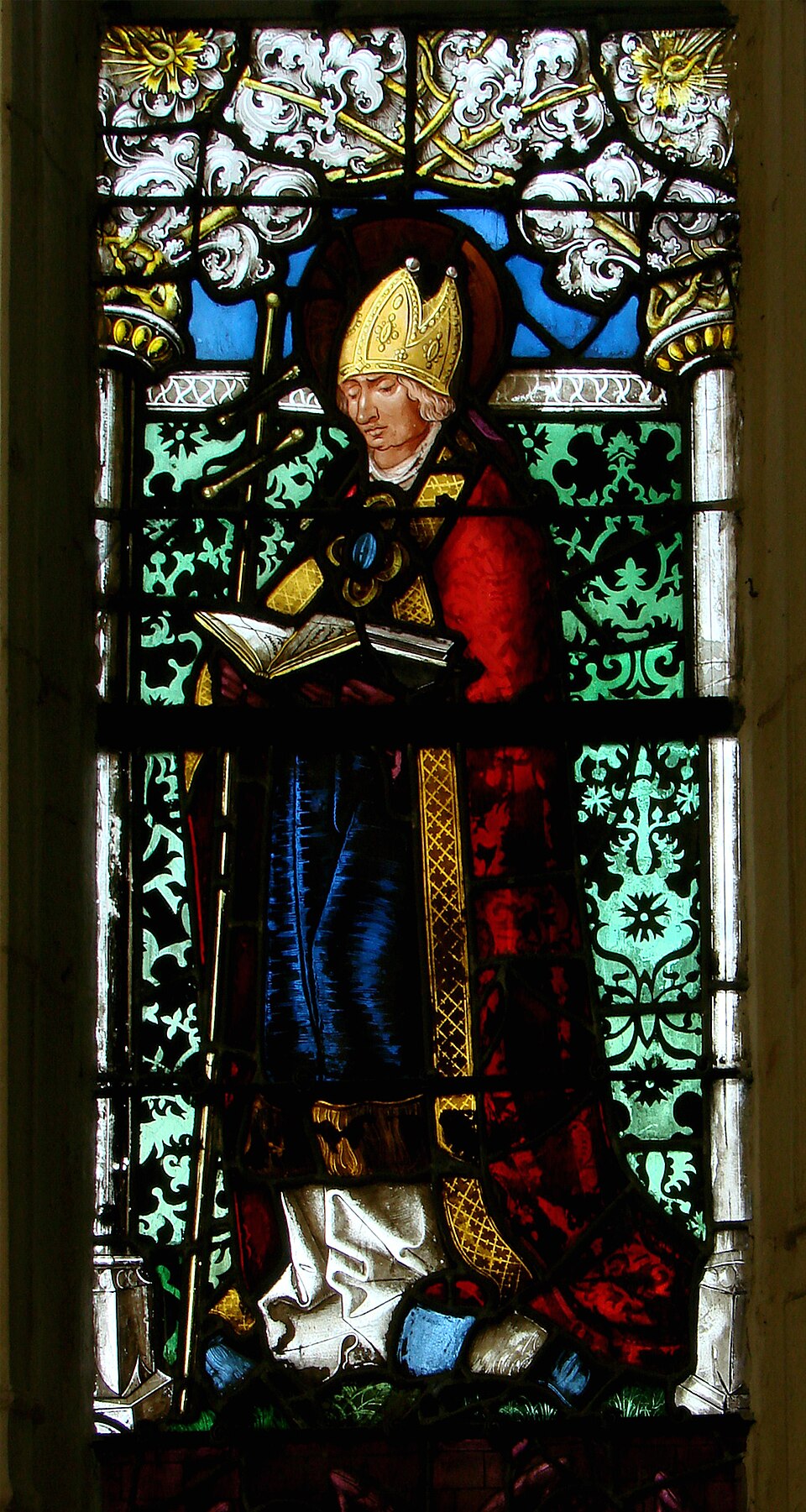
Their Story
Claudius was born around 607 into a Gallo-Roman noble family in Bracon, near Salins-les-Bains—destined for power, comfort, and influence. Yet something gnawed at him. The trappings of nobility felt hollow against an inner hunger for meaning. His contemporaries likely questioned his sanity when he abandoned his birthright to become a priest in Besançon, then a monk seeking obscurity in monastic life.
But Claudius struggled. The sources hint at controversy surrounding his life—legends grew so elaborate that later scholars dismissed them as "vast improbability." Was he wrestling with faith? Doubting his calling? The man who chose silence and service over the world's applause faced the same internal battles we face today: Am I doing enough? Is this the right path? Yet rather than retreat into bitterness, Claudius pressed deeper into spiritual devotion. He became an abbot, then a bishop, leading communities with the humility of someone who'd already surrendered everything that mattered to the world.
He earned the title "Thaumaturge"—the miracle-worker—not through theatrical power, but through a life so radically devoted to others that people witnessed transformation in his presence. His real miracle was simpler: he showed that nobility means nothing compared to service. A man born to rule chose instead to listen, to pray, to heal. He died around 696 or 699, his feast day celebrated on June 6th by both Catholic and Orthodox churches—a testament to how far his quiet revolution reached.
Why People Pray to Claudius of Besançon
People turn to Saint Claudius in moments of vocational uncertainty and life transition. Those wrestling with abandoning worldly success for spiritual purpose find in him a patron who understands the cost of choosing differently. Modern seekers pray to Claudius when facing pressure to conform to family expectations, when doubting their calling, or when trying to balance material comfort with inner authenticity. He reminds us that true nobility lies in service, not status.
Lasting Impact
Claudius's legacy transcends centuries: a noble who became invisible, yet whose life became unforgettable. He established the foundation for communities built on radical hospitality and contemplative practice. His willingness to be misunderstood—his life shrouded in legend and controversy—models how authentic transformation often defies easy explanation. He remains a bridge between power and humility.