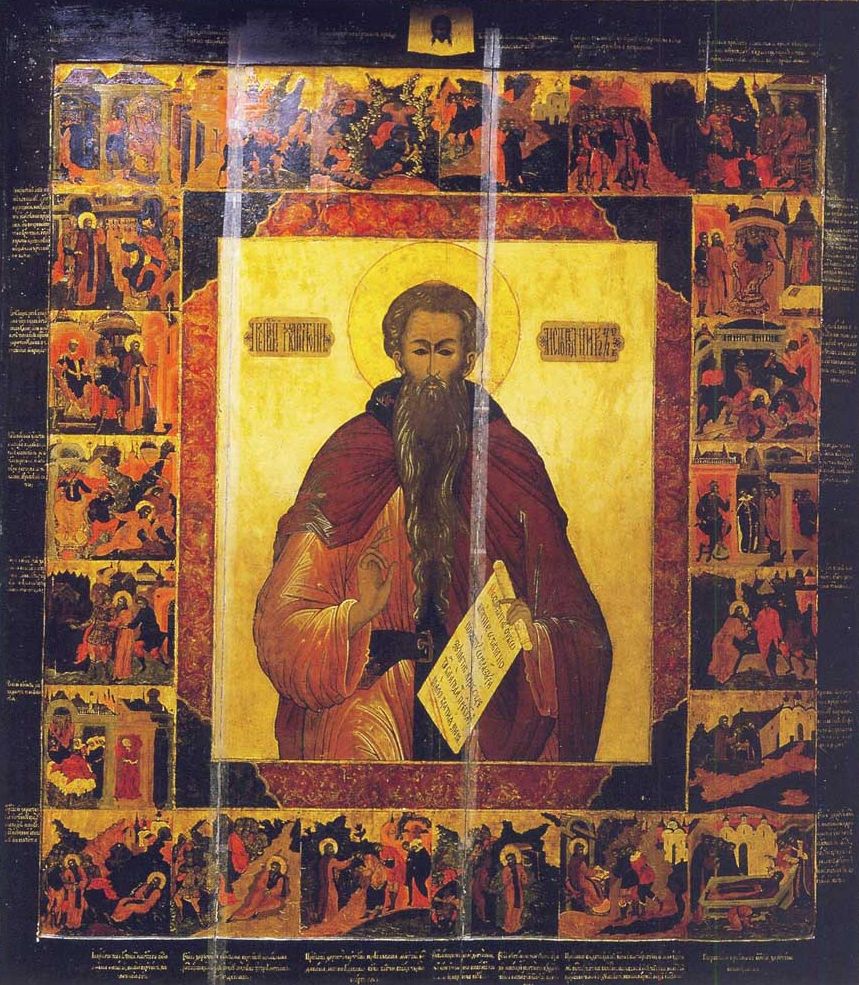
Their Story
Chariton's story begins not in spiritual triumph, but in agony. Born in Iconium during the reign of Emperor Aurelian, he witnessed the machinery of persecution crush his community. When Roman soldiers came for Christians, Chariton was arrested and tortured—his body broken, his faith tested in ways most of us will never know. Released after Aurelian's death, he carried something darker than scars: regret. He had survived when others hadn't. Why? The question haunted him.
Instead of returning to comfort, Chariton did something radical. He fled to the Judaean desert, seeking solitude and answers in the wilderness. There, surrounded by silence and stone, something shifted. He didn't find easy answers—he found purpose. He established monastic communities, creating spaces where others could wrestle with their own spiritual doubts and struggles. The man who had questioned why he survived now helped others discover meaning in their survival. His desert monasteries became sanctuaries for the broken, the doubting, the desperate to find their footing again.
Chariton spent decades building these communities, not through force or certainty, but through humble example. He showed that faith wasn't about never falling—it was about rising differently. By the time he died around 350 CE, his legacy wasn't one of untouchable holiness, but of a deeply human man who transformed personal anguish into communal healing. He became the patron of Konya, and his shrine at Sille remains a testament to one soul's refusal to let suffering have the final word.
Why People Pray to Chariton the Confessor
People turn to Chariton when they've survived trauma and don't know what comes next. His story speaks to those wrestling with survivor's guilt, questioning why they endured when others didn't. In our modern age of anxiety and spiritual uncertainty, Chariton offers something rare: permission to doubt, to struggle, and to rebuild. He's the saint for anyone discovering that healing isn't about forgetting pain—it's about transforming it into purpose.
Lasting Impact
Chariton's monastic communities shaped Eastern Christian spirituality for centuries, establishing a model where wrestling with faith was as sacred as certainty. He proved that broken people could build unbreakable communities. His influence ripples through Orthodox monasticism today, reminding us that our greatest gifts often emerge from our deepest wounds.