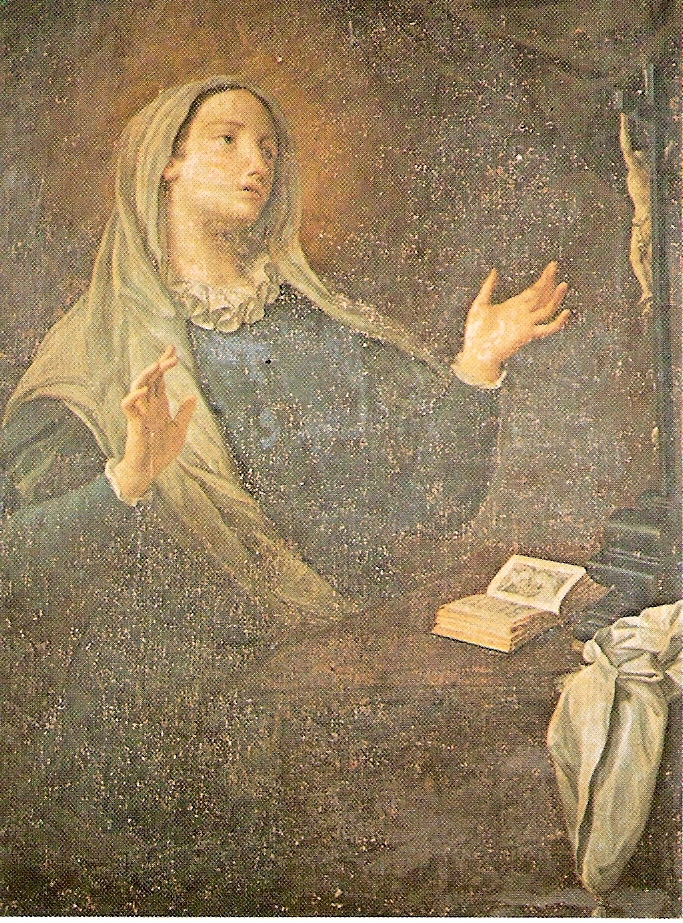
Their Story
Catherine's early life was hollow. Born into privilege, she was married off as a political arrangement to a man she barely knew. The marriage was cold, loveless—a gilded cage that left her spiritually empty and emotionally abandoned. For years, she performed the role expected of a noblewoman while her soul ached for something real, something true. She wrestled with her own insignificance, wondering if this was all life offered: empty ceremonies and comfortable despair.
Then came her breakthrough moment. Around age 26, Catherine experienced a profound mystical encounter with God's overwhelming love—a sudden, shattering awareness that divine compassion saw her completely. This wasn't abstract theology. It ignited an obsession with loving God with equal intensity. Everything changed. She left her wealthy home and began serving the sick and poor in Genoa's hospitals, especially during the devastating plague outbreaks of 1497 and 1501. She didn't just tend wounds; she nursed plague victims with her own hands when others fled in terror—dying victims no one else would touch. Her servant's heart became legendary.
What made Catherine radical wasn't just her service—it was her theology of love. She taught that suffering itself could become a path to experiencing God's transformative fire. Not passively accepting pain, but actively surrendering to divine love working through compassion. In her mystical writings, she described purgatory as a joyful purification, a fire that burns away all that separates us from God. She lived this message daily until her death in 1510, having given everything away.
Why People Pray to Catherine of Genoa
Today, people turn to Catherine when facing spiritual emptiness, when comfortable lives feel meaningless, or when they're called to serve others despite personal cost. She helps those struggling with loneliness in privileged circumstances and those afraid to give their whole hearts. Healthcare workers, caregivers, and activists invoke her courage—she shows that radical love and mystical devotion aren't luxuries, but necessities. Her example asks: What would you sacrifice to love truly?
Lasting Impact
Catherine fundamentally shaped how the Church understands suffering, love, and mystical experience. She remains the patron saint of hospitals and nurses—but more profoundly, she exemplifies integration of contemplation and action. Her life proved that intimate union with God demands concrete service to the most vulnerable. Centuries later, her writings continue guiding spiritual seekers and social justice advocates alike.
Where Venerated
- local calendars on 15 September