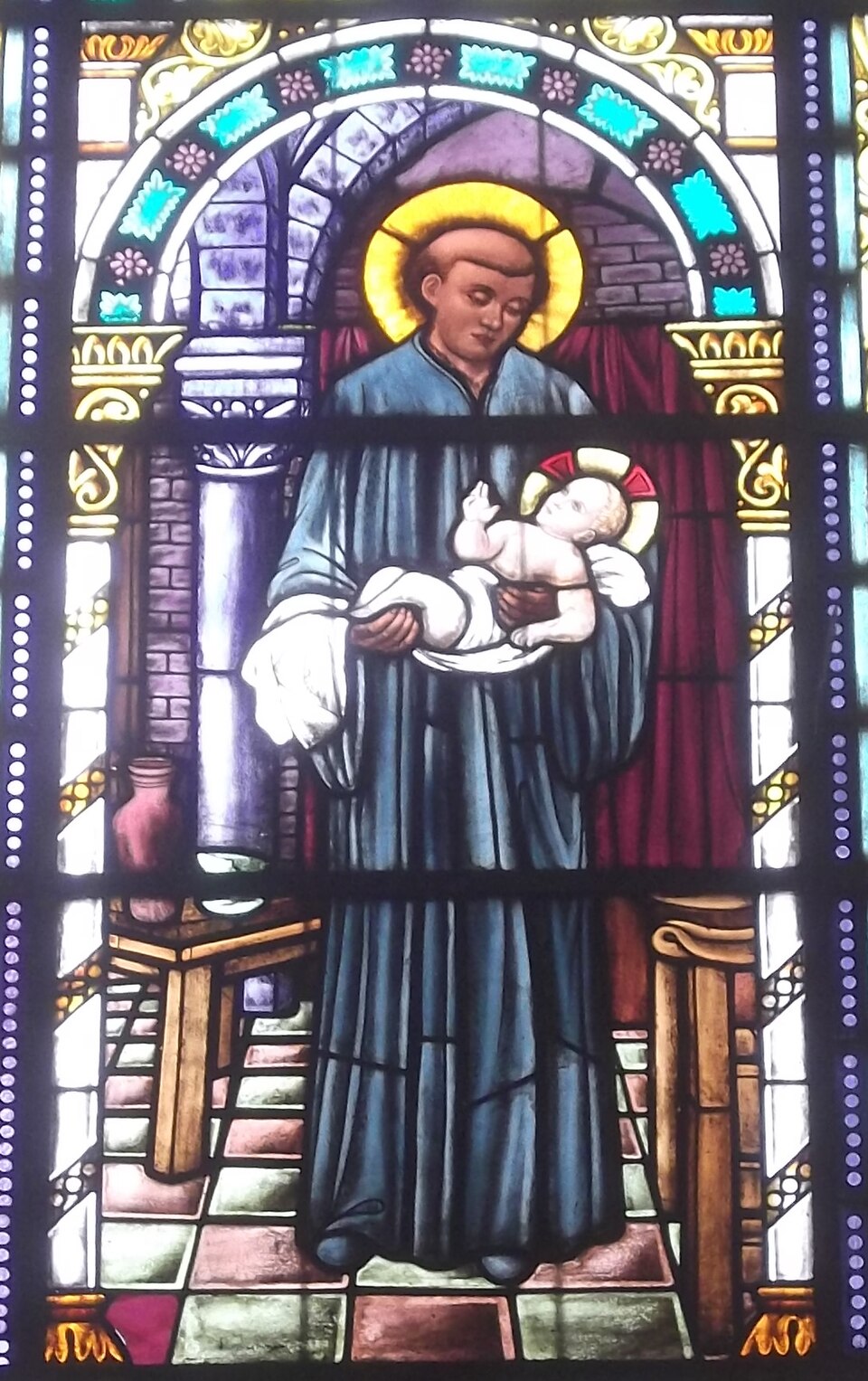
Their Story
Born in 1526 in San Fratello, Sicily, to enslaved African parents, Benedict the Moor entered the world as a symbol of hope and resilience. Freed at birth, he grew up amidst the struggles faced by his community, which influenced his profound compassion for the less fortunate. As a young man, his heart led him to a Franciscan-affiliated hermit group, where he quickly became a leader. His leadership was marked by a steadfast commitment to charity and service, reflecting the teachings of St. Francis of Assisi.
In 1564, Benedict was sent to the Franciscan friary in Palermo, a bustling city where he would continue his mission of love and compassion. Despite facing prejudice due to his African heritage, he remained steadfast in his faith and dedicated his life to helping those in need. His reputation for kindness and his ability to uplift the downtrodden flourished. Benedict’s life was a testament to the power of humility and love, culminating in his death on April 4, 1589. His canonization by Pope Pius VII in 1807 further solidified his legacy as a saint of the people, a reminder that true greatness often lies in service to others.
Why People Pray to Benedict the Moor
Today, people turn to Benedict the Moor for intercession in matters of social justice, equality, and healing. His life serves as a reminder of the importance of compassion and charity, inspiring many to advocate for the marginalized and underserved in society.
Patron Saint Of
Lasting Impact
Benedict the Moor's legacy endures as a powerful symbol of hope and resilience. He is venerated worldwide, especially among African Americans and those involved in missions, reminding us of the profound impact one individual can have through love and service.
Where Venerated
- Worldwide Roman Catholic Church