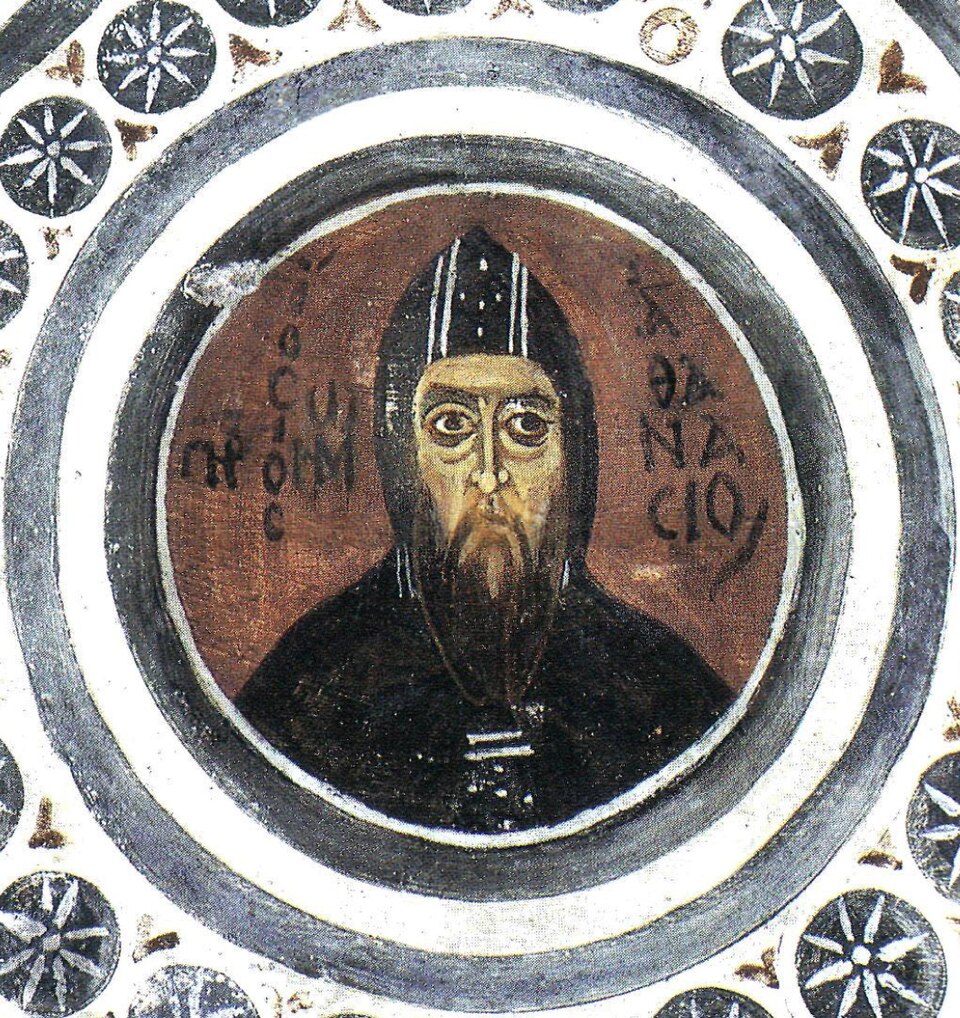
Their Story
Born in Alexandria around 296-298 AD, Athanasius was destined for greatness. He became a deacon and assistant to Bishop Alexander, where his theological passion ignited during the First Council of Nicaea in 325. At just 27, he stood against the Arian controversy, asserting the divinity of Christ and his unity with the Father. This marked the beginning of his tumultuous journey as the 20th patriarch of Alexandria.
Athanasius' life was a testament to resilience. Over his 45-year episcopacy, he faced fierce opposition from powerful Arian leaders and four Roman emperors, leading to five exiles that spanned 17 years. Despite the challenges, he remained steadfast, earning the moniker 'Athanasius Contra Mundum'—'Athanasius Against the World.' His writings and teachings not only defended the faith but also inspired future generations. His Easter letter in 367 is credited with listing the 27 books of the New Testament canon, a pivotal contribution to Christian doctrine.
Ultimately, Athanasius emerged as a pillar of the Church. His struggles were not in vain; they paved the way for a more unified Christian faith. By the time of his death on May 2, 373, he had transformed from a young deacon into a revered Church Father, recognized for his theological depth and unwavering commitment to Christ.
Why People Pray to Athanasius of Alexandria
People turn to Athanasius today for guidance and strength during times of personal or spiritual struggle. His unwavering faith in the face of adversity inspires many to seek clarity in their beliefs and courage in their convictions, making him a powerful intercessor for those facing challenges.
Lasting Impact
Athanasius' legacy is profound; he is celebrated as a key architect of Christian doctrine and a staunch defender of the faith. His writings continue to influence Christian theology, and he is honored as one of the four Great Greek Church Fathers, revered across multiple Christian traditions.
Where Venerated
- Catholic Church