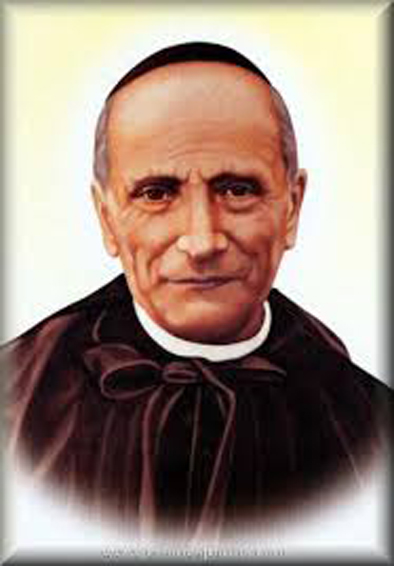
Their Story
Annibale Maria di Francia knew abandonment intimately. His father died when he was barely eighteen months old, leaving him fatherless in a world that had little mercy for the vulnerable. Growing up in 19th-century Sicily, he witnessed the streets overflow with orphaned children—cast aside, forgotten, invisible. That early loss carved something into his soul: an almost dangerous empathy for the forgotten.
But empathy alone wasn't enough. As a young man, Francia was intellectually gifted, poetic, brilliant. Yet he struggled with the same questions many idealistic youth face: What good are gifts if people are suffering? How do you reconcile faith with injustice? He channeled his restlessness into priesthood, but his real revolution came when he stopped theorizing and started acting. In 1887, he founded the first orphanage in Messina. Then another. And another. He established the Rogationists—a community dedicated to 'rogate the Lord of the harvest'—and the Daughters of Divine Zeal, women committed to caring for abandoned children.
What made Francia remarkable wasn't romantic piety. It was relentless, unglamorous work. He built institutions. He raised funds. He trained caregivers. He turned personal tragedy into structural change. By the time he died in 1927, thousands of children had been saved from desperation. His communities still exist today, still caring for the vulnerable. He transformed his orphan's wound into a legacy of belonging.
Why People Pray to Annibale Maria di Francia
People turn to Saint Annibale today when facing loss, abandonment, or the paralysis of witnessing injustice. He teaches us that our pain isn't wasted—it can become our calling. Parents grieving lost children, foster advocates, social workers, and those rebuilding after trauma find in him a saint who understood suffering not as punishment, but as permission to love radically. He intercedes for all who feel unseen.
Lasting Impact
Annibale Maria di Francia fundamentally reimagined Catholic charity. He didn't offer distant prayer; he built systems of care. The Rogationists and Daughters of Divine Zeal continue his work across continents, serving vulnerable children and families. He canonized in 2004, he remains a model for faith transformed into action—proving that holiness is measured not in visions, but in lives restored.