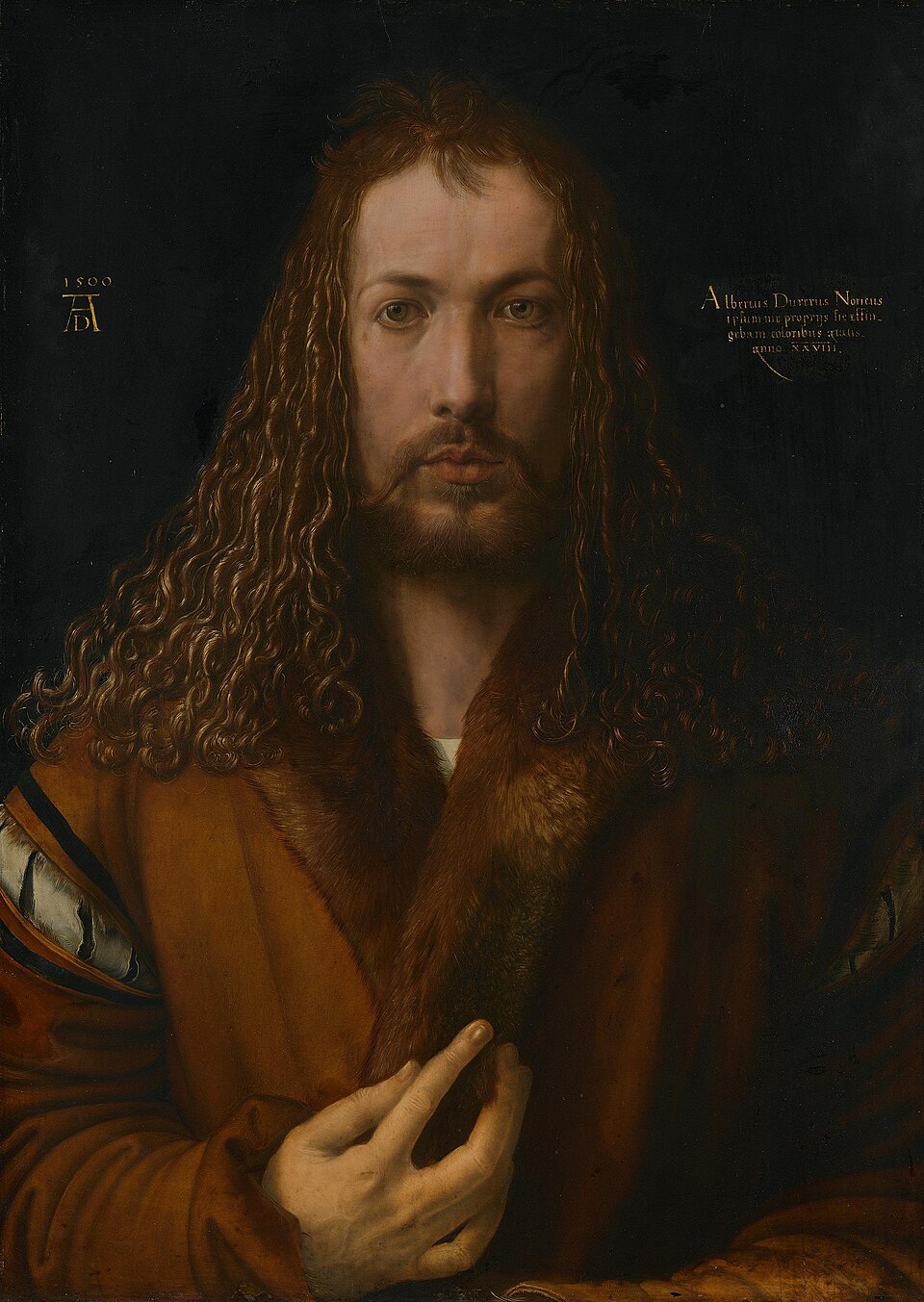
Their Story
Born on May 21, 1471, in Nuremberg, Albrecht Dürer was the son of a goldsmith, which nurtured his early fascination with craftsmanship. He apprenticed under the renowned painter Michael Wolgemut, where he honed his skills in drawing and printmaking. By his twenties, Dürer had already gained acclaim for his intricate woodcuts, which captured the essence of the human experience and nature with striking emotional depth.
Dürer’s journey took him beyond the borders of Germany, as he traveled to Italy to study the works of masters like Leonardo da Vinci and Raphael. This exposure fueled his artistic evolution, leading him to introduce classical themes and the human form into Northern art. He faced challenges, including the changing artistic landscape and the financial demands of his craft, but his determination and innovative spirit led to the creation of iconic works, such as "Melencolia I" and "The Four Horsemen of the Apocalypse." His later years were marked by a deep interest in theoretical aspects of art, culminating in influential treatises on perspective and proportion.
Albrecht Dürer passed away on April 6, 1528, leaving behind a legacy that transcended his time. His ability to blend art with science and philosophy laid the groundwork for generations of artists. Dürer’s works continue to resonate, reminding us of the beauty and complexity of the world around us.
Why People Pray to Albrecht Dürer
Today, people turn to Albrecht Dürer for inspiration in creativity and artistic pursuits. His life story encourages individuals to embrace their passions and overcome obstacles, reminding them that beauty can emerge from struggle and dedication.
Lasting Impact
Dürer is remembered as a master of the Northern Renaissance, whose innovations in printmaking and painting changed the course of art history. His works remain celebrated for their technical brilliance and emotional depth, influencing countless artists and movements.
Where Venerated
- Worldwide Roman Catholic Church