Their Story
At sixteen, Agapitus faced an impossible choice. Born into privilege—possibly part of Palestrina's noble Anicia family—he had everything to lose. Wealth, status, a future. But during Emperor Aurelian's brutal Christian persecutions in 3rd-century Rome, young Agapitus couldn't stay silent about his faith. Perhaps he wrestled with fear. Perhaps he questioned whether speaking out was worth dying for. Most teenagers his age worried about their place in society; Agapitus had to decide if that place was worth abandoning his deepest convictions.
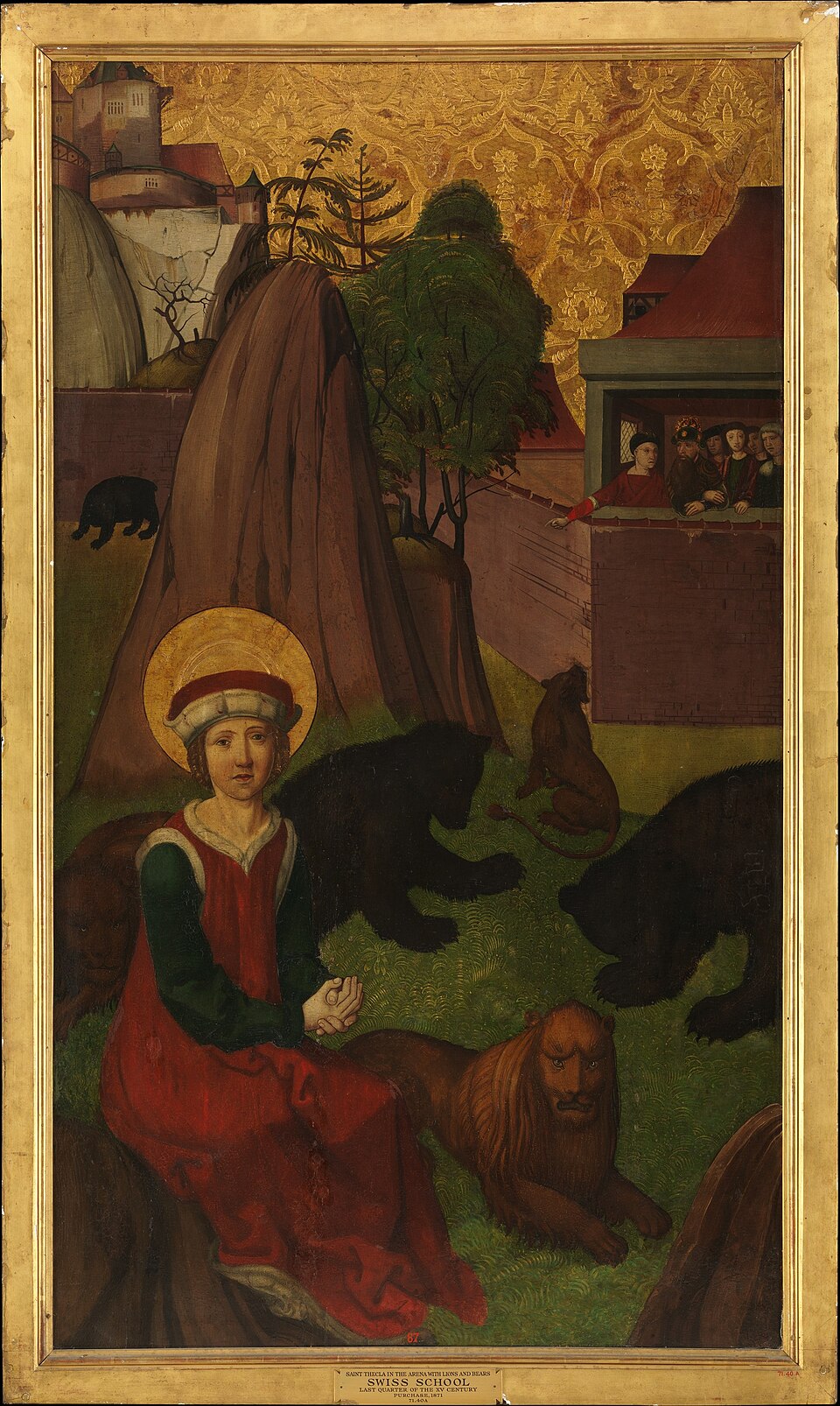
When authorities captured him, they didn't just arrest a boy—they made an example. Prefect Antiochus had Agapitus tortured, hoping pain would break his resolve. It didn't. Instead of recanting, Agapitus remained steadfast. In a final degradation, they dragged him to the local arena and threw him to wild beasts, expecting a quick, brutal death. But legend tells us something miraculous happened: the animals refused to touch him. No escape, no rescue—just refusal. In the end, guards beheaded him anyway.
Agapitus never got to live out his teenage dreams. He never married, never built a life, never grew old. What he did was become immortal—not through fame or fortune, but through unwavering conviction. His martyrdom wasn't about seeking death; it was about refusing to betray what he knew was true, even when the price was everything.
Why People Pray to Agapitus of Palestrina
Agapitus speaks to anyone facing pressure to compromise their values. In a world that constantly pushes us to fit in, stay quiet, or prioritize comfort over conscience, his example burns bright. People invoke him when they need courage to stand up for what's right—whether that's speaking truth at work, resisting peer pressure, or holding to faith when it's unpopular. He's also the patron against colic, offering comfort to suffering infants and their desperate parents. In both spiritual and physical suffering, Agapitus reminds us: you are not alone.
Lasting Impact
Agapitus became the spiritual patron of Palestrina itself, his shrine drawing pilgrims for seventeen centuries. The Cathedral of San Agapito stands as a monument to his refusal to bend. His story survives in ancient martyrologies and church tradition, not because he performed miracles or wrote theology, but because one teenager's unshakeable conviction showed generations what it means to choose truth over survival.